
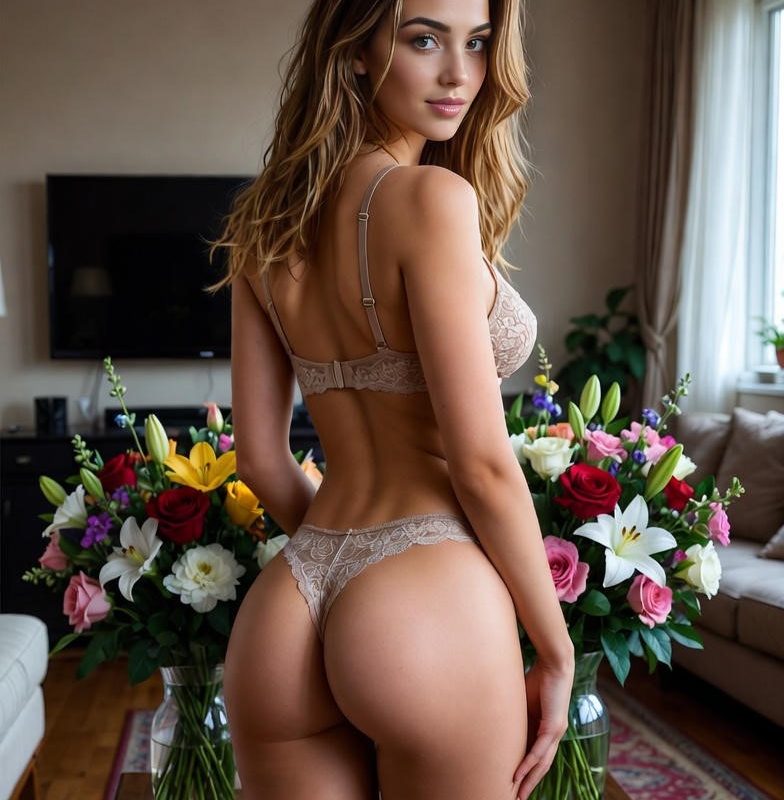
In today’s digital landscape, the boundaries between reality and synthetic media continue to blur, thanks to rapid advancements in AI-generated character animation and deep learning animation tools. Among the most transformative applications is the development of realistic adult AI animation generators, which leverage cutting-edge neural rendering techniques and procedural animation generation to produce hyper-realistic digital avatars. These tools are not just reshaping entertainment and marketing—they’re redefining how we interact with digital content, from virtual influencers to AI-powered avatar customization.
Whether you’re a creator looking to bring your vision to life, a marketer seeking to engage audiences with dynamic AI-generated animations, or a developer exploring AI animation for gaming or virtual reality (VR/AR) experiences, understanding how these technologies work—and how to harness them—is essential. This guide explores the capabilities of modern AI animation software, the ethical considerations surrounding synthetic media authenticity, and practical steps to generate stunning, lifelike animations using AI-driven tools.
Why Realistic Adult AI Animation Matters
The demand for photorealistic virtual characters and realistic human-like animations has surged across industries. Here’s why:
- Entertainment and Film Production: Studios are increasingly turning to AI animation for film production to create cost-effective, high-quality content. From AI-generated cinematic sequences to lifelike digital twins of actors, these tools enable directors to experiment with visuals that were once impossible.
- Marketing and Advertising: Brands are using AI animation for advertising to craft immersive, personalized campaigns. Virtual influencer animation allows companies to create digital personas that resonate with audiences, while AI animation for e-commerce enhances product presentations with dynamic, interactive content.
- Gaming and Metaverse Applications: Developers are integrating AI animation for gaming to generate realistic NPCs (non-player characters) and procedural animation for games that adapt to player interactions. In the metaverse, high-fidelity digital personas enable seamless social interactions, making virtual worlds feel more alive.
- Education and Training: AI animation for educational content transforms learning experiences by visualizing complex concepts. For example, realistic AI-generated gestures can help students understand body language or medical procedures more effectively.
- Live Streaming and Social Media: Content creators are using AI animation for live streaming to enhance broadcasts with dynamic AI-generated animations. Platforms like YouTube and TikTok benefit from AI animation for social media, where synthetic media can engage viewers with interactive and personalized experiences.
How AI Animation Generators Work: A Breakdown
The magic behind realistic adult AI animation generators lies in a combination of machine learning-based animation, AI-driven 3D modeling, and neural animation techniques. Here’s a closer look at the key components:
Deep Learning for Motion Prediction
The foundation of AI-powered motion capture and text-to-motion conversion is deep learning models trained on vast datasets of human movement. These models analyze patterns in walking, speaking, and facial expressions to generate realistic human-like animations. Advanced techniques like neural radiance fields for animation further refine these motions, ensuring fluidity and authenticity.
Hyper-Realistic Digital Avatars
Creating hyper-realistic digital avatars involves AI animation pipelines that combine 3D modeling with real-time AI animation rendering. Tools like synthetic actor technology allow creators to animate avatars with realistic facial expressions in AI and realistic AI-generated body language, making interactions feel natural. For adult animations, this means generating content that maintains ethical standards while achieving a high degree of realism.
Automated Character Animation
Automated character animation eliminates the need for manual keyframing, significantly speeding up production. With AI-assisted motion synthesis, creators can input simple prompts—such as “a confident woman walking into a room”—and receive fully animated sequences. This is particularly useful for AI animation for virtual events, where dynamic, on-demand content is required.
Synthetic Media Creation and Ethics
While synthetic media creation opens up incredible possibilities, it also raises important questions about synthetic media authenticity and deepfake animation ethics. Tools like AI animation for marketing must be used responsibly to avoid misinformation or deception. Platforms are increasingly implementing deepfake animation detection to ensure transparency, and creators should stay informed about synthetic media regulation to comply with industry standards.
How to Use an AI Animation Generator for Realistic Adult Content
Ready to explore the possibilities of realistic adult AI animation generators? Here’s a step-by-step guide to getting started:
Step 1: Choose the Right AI Animation Software
Not all AI animation software is created equal. Look for tools that specialize in hyper-realistic AI-generated faces and realistic AI-generated voice and animation. Some platforms offer AI animation studios with customizable workflows, while others focus on real-time AI animation rendering for quick iterations. Popular options include:
- Generative AI for Visual Content: Platforms that allow you to upload a photo and generate animated sequences based on prompts.
- AI Animation Workflows: Tools that integrate with existing pipelines for seamless production.
- Neural Animation Techniques: Advanced software that uses neural radiance fields for animation to create ultra-detailed, lifelike movements.
Step 2: Upload and Customize Your Base Image
Begin by uploading a high-quality reference image. The more detailed and realistic the base photo, the better the AI can generate hyper-detailed digital characters. You can adjust parameters like facial expressions, body posture, and even clothing to match your vision. For adult animations, ensure the content aligns with ethical guidelines and platform policies.
Step 3: Define Your Animation Prompt
Craft a clear and descriptive prompt to guide the AI. For example:
- “An elegant woman walking confidently down a city street at sunset, with subtle facial expressions and natural body movements.”
- “A dynamic scene of a character laughing while gesturing animatedly, with realistic facial expressions and smooth motion.”
The more specific your prompt, the closer the AI-generated animation will match your expectations. Tools often allow you to refine the output with additional details like lighting, background, or emotional tone.
Step 4: Generate and Refine Your Animation
Once the AI processes your prompt, you’ll receive an initial animation. Review the results and make adjustments as needed. Most platforms allow you to:
- Iterate on the animation with new prompts.
- Adjust facial expressions, body language, or background elements.
- Export the animation in various formats for use in films, games, or marketing.
Step 5: Export and Integrate Your Content
After finalizing your animation, export it in the desired format (e.g., MP4, GIF, or 3D model). For AI animation for film production, you may need high-resolution files, while AI animation for social media often requires shorter, engaging clips. Integrate your content into projects using industry-standard software like Adobe Premiere Pro, Unreal Engine, or Blender.
Ethical Considerations in AI Adult Animation
As with any form of synthetic media, realistic adult AI animation generators come with ethical responsibilities. Here’s how to navigate them:
Consent and Authenticity
Ensure that any content generated involves real individuals with proper consent, especially when creating lifelike digital twins. Misrepresenting individuals or using AI to create non-consensual content violates synthetic media authenticity and can lead to legal consequences.
Transparency and Disclosure
If using AI-generated cinematic sequences or virtual influencer animation, clearly disclose that the content is synthetic. Platforms like social media and advertising require transparency to maintain trust with audiences.
Avoiding Deepfakes and Misinformation
Deepfake animation ethics are a growing concern, particularly in politics and media. Avoid using AI to create misleading or harmful content. Familiarize yourself with synthetic media regulation to stay compliant with laws and industry standards.
Protecting Digital Rights
When creating high-fidelity digital personas, consider intellectual property rights. Ensure that your animations do not infringe on copyrighted material or personal rights. Some platforms offer tools to watermark or protect generated content.
Exploring Advanced Features: Beyond Basic Animation
Modern AI animation software offers features that go beyond simple motion generation. Here’s how to leverage them for more sophisticated projects:
AI-Powered Avatar Customization
With AI-powered avatar customization, you can adjust every detail of your digital character—from skin tone and facial features to hairstyle and clothing. This level of control is invaluable for AI animation for gaming or virtual reality experiences, where unique avatars enhance immersion.
Real-Time AI Animation Rendering
For live applications like AI animation for live streaming or virtual events, real-time rendering is crucial. Tools that support real-time AI animation rendering allow for instant adjustments, making interactions feel dynamic and responsive.
Integration with Voice and Sound
Combining realistic AI-generated voice and animation creates a fully immersive experience. Some platforms integrate with voice synthesis tools to match lip movements with audio, making digital characters feel even more lifelike.
Procedural Animation for Games
For game developers, procedural animation for games enables NPCs to behave realistically based on player actions. This reduces the need for manual animation while keeping characters engaging and unpredictable.
Try It Yourself: A Free Demo of AI Adult Animation
Ready to see what realistic adult AI animation generators can do? Many platforms offer free trials or demos where you can:
- Upload a photo and generate an AI animation based on your prompt.
- Experiment with different styles, from hyper-realistic digital avatars to stylized characters.
- Explore how AI animation for marketing or AI animation for social media can enhance your projects.
While exploring, pay attention to how the AI handles:
- Realistic facial expressions in AI—does the animation capture subtle emotions?
- Realistic AI-generated body language—are the movements fluid and natural?
- Synthetic media authenticity—does the output feel like a real person or a robotic simulation?
Pro Tip: Start with simple prompts to understand the AI’s capabilities. Gradually refine your requests to achieve the level of realism you desire. For adult animations, always prioritize ethical guidelines to ensure your content is both high-quality and responsible.
The Future of AI Adult Animation
The field of AI-generated character animation is evolving rapidly, with breakthroughs in deep learning for motion prediction and neural animation techniques pushing the boundaries of what’s possible. Here’s what to expect in the coming years:
- More Hyper-Realistic Digital Characters: Advances in AI-driven 3D modeling will make digital avatars indistinguishable from real people, even in complex scenes.
- Enhanced Emotional Intelligence: AI will better understand and replicate realistic facial expressions in AI and realistic AI-generated gestures, making interactions feel more human.
- Seamless Integration with VR/AR: AI animation for VR/AR experiences will become more immersive, with real-time adjustments based on user interactions.
- Stronger Ethical Frameworks: As synthetic media regulation tightens, tools will include built-in safeguards to prevent misuse, such as deepfake detection and consent verification.
- Expansion into New Industries: From AI animation for educational content to AI animation for virtual assistants, synthetic media will find applications in fields beyond entertainment.
The possibilities are endless, but the key to success lies in balancing innovation with responsibility. By understanding the tools, ethical considerations, and creative potential of realistic adult AI animation generators, you can harness this technology to produce stunning, engaging, and authentic content.
Upload a photo, provide a prompt, and see how our AI can transform your vision into a realistic adult AI animation. Whether you’re exploring AI animation for marketing, AI animation for gaming, or personal projects, our tools are designed to make the process simple and inspiring.
Start creating today and discover the future of synthetic media!